Maximising Overall Fitness: The Secret Component – VO2 Max
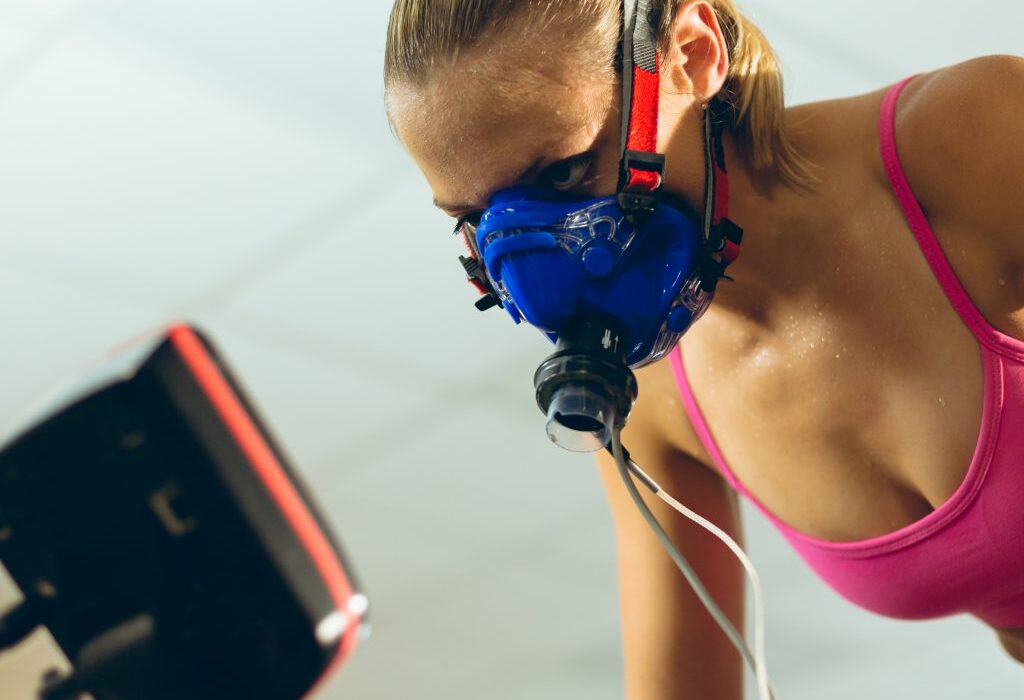
Pursuing optimal cardiovascular fitness has long been a focal point for athletes and fitness enthusiasts alike. VO2 max, the maximum amount of oxygen an individual can utilize during intense exercise, is a key indicator of one’s aerobic capacity. In a seminal paper titled “The interactions of intensity, frequency, and duration of exercise training in altering cardiorespiratory fitness,” Howard Wenger and Gordon Bell of the University of Victoria conducted an in-depth analysis that sheds light on training strategies to enhance VO2 max. This article explores their findings and delves into the factors that impact VO2 max improvements.
If you are interested in getting your VO2 max Tested, click here to book now
The Optimal Training Intensity: vVO2max
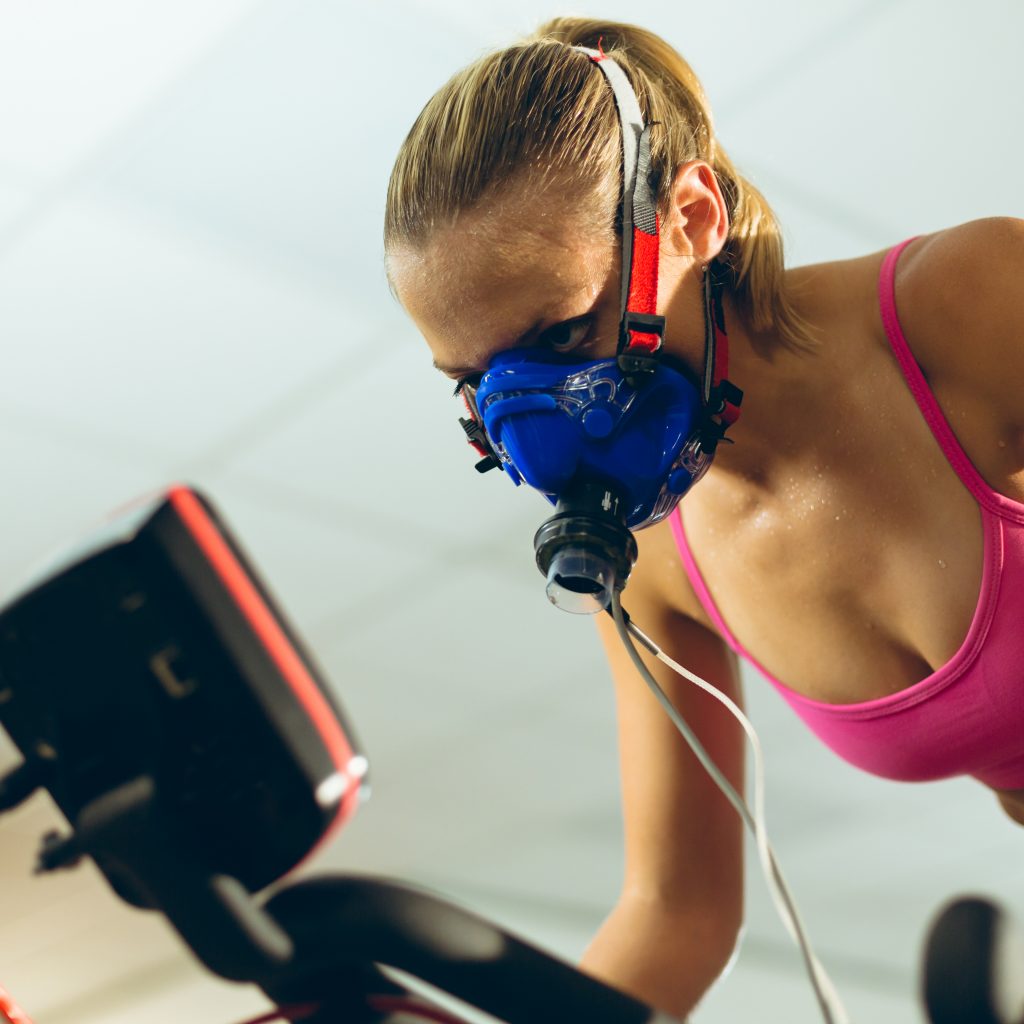
Wenger and Bell’s comprehensive analysis of over 50 studies revealed that running at intensities ranging from 90-100% of one’s vVO2max (velocity at VO2max) yields the most significant gains in VO2max. vVO2max refers to the slowest pace at which an individual reaches their maximum oxygen consumption. For most people, this pace falls between their one-mile race and two-mile race speeds (Billat, 1996). To put this into perspective, if your personal best two-mile time is approximately 12 minutes, incorporating repeat half-mile runs at a pace of around 3 minutes can effectively boost your VO2 max.
The Role of Workout Duration and Frequency
Wenger and Bell’s analysis also highlights the importance of workout duration and frequency in improving VO2 max. Workouts lasting between 35-45 minutes, including both running time and recovery periods for interval training, yield greater improvements in VO2 max compared to shorter workouts. Furthermore, the study suggests that three to four moderate-to-hard workouts per week serve as an optimal training “dosage” for maximizing VO2 max. However, it is worth noting that for certain individuals, two intense workouts per week may be sufficient. This emphasizes the fact that daily training is not a prerequisite for achieving exceptional fitness levels. For individuals with busy schedules and limited training time, a regimen consisting of three high-quality, fast workouts per week, coupled with four rest days, may be the most practical approach to enhancing VO2 max.
The Quality-Quantity Dilemma
The significance of workout quality over quantity is further supported by studies that examine the impact of reduced training loads on VO2 max. These studies, reviewed by Neufer (1989), indicate that maintaining a high VO2 max can be accomplished with as little as two to three workouts per week, provided the training intensity remains high. However, if the intensity of training diminishes, VO2 max tends to decline as well. This evidence underscores the importance of maintaining a high level of intensity during training sessions to sustain and improve VO2 max.
Uncharted Territory: Long, Moderate Runs vs. Short, Fast Runs
The impact of longer, moderately paced runs on VO2max compared to shorter, faster runs remains an area of uncertainty. Wenger and Bell postulate that extended running sessions may have the potential to enhance VO2 max to a similar extent as shorter, more intense runs. Some research suggests that longer runs may offer unique benefits to distance runners. Prolonged exercise bouts lasting two to four hours activate fast-twitch muscle fibres that are not typically engaged during shorter bouts (Gollnick et al., 1973; Armstrong et al., 1974; Gollnick et al., 1974; Vollestad et al., 1984). Additionally, these extended workouts “teach” the body to rely on fat as a primary source of fuel (Felig & Wahren, 1975). However, the direct impact of these long-duration workouts on VO2max remains uncertain and requires further investigation